Ozempic for weight loss
The growing demand for medications that assist with weight management has placed Ozempic for weight loss at the center of attention. Many people who have seen promising results with the medication eventually wonder what happens if they stop taking it. Because weight loss is often a long-term journey, understanding how the body reacts after discontinuing a drug like Ozempic is critical for setting realistic expectations and avoiding disappointment. This question becomes even more important as people debate whether the treatment can offer lasting changes or if results are temporary.
Ozempic, containing the active ingredient semaglutide, was originally designed as a treatment for type 2 diabetes. It works by mimicking a natural hormone in the body that regulates blood sugar, slows digestion, and signals feelings of fullness to the brain. While it was approved to help diabetic patients control blood glucose and lower the risk of cardiovascular events, many patients using it also experienced significant weight reduction. This outcome led to increased interest in using Ozempic for Weight Loss, with many individuals seeing a decrease in appetite and smaller food portions without effort.
The key question, however, is what happens when someone decides to stop taking the medication. Studies and patient experiences show that the effects of Ozempic for weight loss do not typically last after discontinuation. Because the drug suppresses appetite and slows stomach emptying while it is active in the body, those benefits fade once the treatment is stopped. Appetite often returns to previous levels, cravings may increase, and it becomes easier to consume larger amounts of food. Without the medication’s hormonal support, maintaining a calorie deficit becomes more challenging, which can lead to weight regain.
Weight regain after stopping Ozempic is a well-documented concern. Research has shown that many people who discontinue semaglutide treatments regain a significant portion of the weight they lost within months. This happens because the biological mechanisms that drive hunger and fat storage remain present, and once the medication is removed, the body’s natural tendency is to defend its previous weight. This phenomenon is sometimes referred to as the body’s “weight set point,” where metabolic processes push back against weight reduction. For individuals who worked hard to lose weight, this can be frustrating, but it is also a reminder that medication alone cannot replace long-term lifestyle strategies.
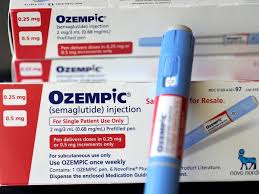
What happens if you stop taking Ozempic for weight loss?
Another aspect of stopping Ozempic for weight loss is how it can affect blood sugar regulation. Even in people who do not have diabetes, the medication helps stabilize insulin response and slow the release of sugar into the bloodstream. Once it is discontinued, blood sugar may fluctuate more, and this can contribute to feelings of hunger and fatigue. People with type 2 diabetes who stop taking Ozempic may see their blood sugar levels rise again, which could increase health risks. For this reason, it is always important to make any changes under medical supervision rather than abruptly ending treatment.
Side effects may also shift after stopping the drug. While some individuals experience nausea or digestive discomfort while taking Ozempic, those issues usually disappear after discontinuation. However, the loss of appetite control is often more noticeable than the relief from side effects. This trade-off highlights why ongoing professional guidance is valuable. Healthcare providers can help transition patients to alternative treatments, whether that means another medication, structured dietary plans, or more intensive lifestyle interventions.
The emotional impact of stopping Ozempic for weight loss should not be underestimated either. Many people feel empowered and hopeful while using the medication because it reduces the constant struggle with hunger. When those benefits disappear, it can feel discouraging and may even lead to cycles of yo-yo dieting. Preparing mentally for these changes can make the process easier. Setting realistic expectations and focusing on building sustainable eating habits and physical activity routines while on the medication can help soften the transition if it is eventually discontinued.
For some patients, the decision to stop Ozempic is based on cost or availability. Because demand for the drug has surged, shortages have occurred, leaving many without consistent access. Others find the long-term expense difficult to manage. In such cases, discussing alternatives with a healthcare provider is essential. Other GLP-1 medications or weight management strategies may offer partial benefits, even if they do not fully replicate the appetite control that Ozempic provides.
It is also important to recognize that some individuals may continue to maintain weight loss after stopping the medication, but this usually requires strict adherence to lifestyle modifications. Those who use the period of reduced appetite as a springboard to build lasting habits—such as balanced nutrition, portion control, and regular exercise—may be better able to sustain their results. However, for most people, weight maintenance becomes more challenging without the medication’s support.
In conclusion, when considering what happens if you stop taking Ozempic for weight loss, the most common outcome is a return of appetite and gradual weight regain. While the medication is highly effective at controlling hunger and promoting weight reduction, its benefits are not permanent once discontinued. Patients should view it as one tool in a broader weight management plan rather than a lifelong cure. Working closely with healthcare providers, building healthy routines, and preparing for the possibility of changes after discontinuation can make the transition smoother and increase the chances of maintaining results.