motor threshold in TMS
Many people researching Transcranial Magnetic Stimulation therapy for the first time come across the term motor threshold and wonder “What is the motor threshold in TMS?” Understanding this concept is important because it plays a key role in personalizing treatment and ensuring both comfort and effectiveness. TMS is a non-invasive, FDA-approved treatment used to stimulate specific areas of the brain related to mood regulation. It is commonly used for individuals experiencing depression, anxiety, OCD, PTSD, and other mental health conditions that have not significantly improved through traditional medication or therapy alone. Knowing how the motor threshold works can help patients feel more confident and informed before beginning their treatment journey.
To answer the question “What is the motor threshold in TMS?”, the motor threshold is the minimum level of magnetic stimulation needed to cause a visible physical response, typically a small movement or finger twitch. During the first TMS appointment, clinicians measure this response to determine the exact stimulation intensity required for each patient. The motor threshold is based on an individual’s unique brain physiology—it is different for everyone. Setting stimulation intensity too low could make treatment less effective, while setting it too high could cause unnecessary discomfort. By identifying the motor threshold, providers ensure that each session delivers the most appropriate level of stimulation to safely support optimal results.
During the first session, which is usually longer than standard treatment sessions, the clinician places the magnetic coil over the part of the brain that controls hand movement. They deliver short pulses while observing for a small twitch in the fingers or hand. This process is called mapping and calibration. Once the correct stimulation level is determined, the clinician uses this measurement as a baseline for the entire course of treatment. The machine then delivers targeted pulses to the mood-regulating region of the brain, guided by the customized intensity level based on the motor threshold.
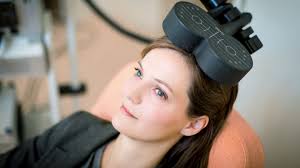
What is the motor threshold in TMS?
Many individuals searching for tms near me want reassurance that the process is safe and controlled. The motor threshold is a key factor in maintaining both safety and comfort throughout treatment. Because TMS does not require anesthesia or sedation, patients remain awake and alert during the calibration process. While the tapping sensation from magnetic pulses may feel unusual at first, most patients adjust quickly. Providers may adjust the intensity slightly over time if needed, depending on patient feedback and treatment response.
Understanding “What is the motor threshold in TMS?” also helps patients appreciate how personalized the therapy is. Unlike medication, which affects the entire body, TMS targets specific neural pathways with precision. By tailoring the intensity for each individual, clinicians ensure that the brain receives the exact level of stimulation needed to encourage positive neurological changes without causing excessive discomfort.
For individuals exploring tms near me, learning about the motor threshold can make the treatment feel less intimidating. Reliable clinics will clearly explain the process, answer questions, and monitor progress throughout the therapy. The motor threshold is only one part of the comprehensive evaluation that ensures every patient receives customized care.
In summary, the motor threshold in TMS is a carefully measured setting that determines the optimal magnetic intensity for safe and effective treatment. It is a crucial step that personalizes therapy and supports successful outcomes. Understanding this concept helps patients feel empowered and prepared to begin TMS with confidence.