secure AI agents trading systems
Securing AI agents trading systems is a critical aspect of deploying automated strategies in financial markets. These systems, which rely on complex algorithms and real-time data to make trading decisions, are inherently valuable and often exposed to a range of cyber threats, data breaches, and operational vulnerabilities. As AI agents trading becomes more prevalent, ensuring that these systems are protected from external and internal risks is essential for maintaining the integrity and profitability of automated trading operations.
One of the first steps in securing AI agents trading systems is protecting the data pipeline. These systems depend on large volumes of data—market prices, order books, news feeds, and more—to make accurate predictions and execute trades. If the data being fed into the system is tampered with or delayed, the AI may make faulty decisions. Therefore, encrypting data in transit and at rest, using secure APIs, and verifying the authenticity of data sources are foundational practices. Implementing robust data validation techniques can also help prevent erroneous or malicious data from influencing the system’s behavior.
Access control is another key factor in securing AI agents trading environments. Only authorized personnel should be able to modify the algorithms, access sensitive datasets, or intervene in the execution process. Multi-factor authentication (MFA), role-based access controls, and strict audit trails should be employed to track all user actions. This not only reduces the risk of insider threats but also ensures accountability in case of system anomalies or breaches.
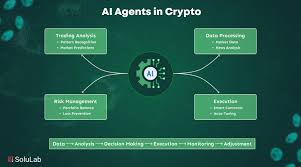
How do I secure AI agents trading systems?
AI agents trading systems should also be protected against adversarial attacks. In this context, adversaries might attempt to manipulate market data or introduce patterns specifically designed to confuse the AI. Defensive techniques such as adversarial training, anomaly detection, and monitoring for unusual input patterns can help the system maintain reliability in the face of manipulation. Developers should regularly stress-test the AI models under extreme conditions and simulate various attack scenarios to identify potential vulnerabilities before they are exploited.
Securing the underlying infrastructure is just as important as safeguarding the AI models themselves. This includes maintaining secure server configurations, updating software regularly to patch known vulnerabilities, and using intrusion detection systems (IDS) and firewalls. If the AI agents trading system is hosted in the cloud, then additional precautions such as virtual private networks (VPNs), private cloud instances, and endpoint security should be applied to isolate and protect critical resources.
Another layer of protection comes from operational protocols. Regular code reviews, penetration testing, and system audits can help identify weak points in the design or implementation of the trading system. In addition, maintaining robust disaster recovery and business continuity plans ensures that trading operations can be restored quickly in case of a cyberattack or technical failure.
In conclusion, securing AI agents trading systems involves a multi-layered approach that combines data protection, access control, adversarial defense, infrastructure security, and continuous monitoring. With the high stakes involved in automated trading, overlooking security can lead to financial loss, reputational damage, or regulatory scrutiny. By adopting a proactive and comprehensive security strategy, developers and traders can ensure that their AI trading systems operate safely and reliably in a constantly evolving threat landscape.