Common chemicals from a foam chemical supplier GCC
A foam chemical supplier GCC typically provides a wide range of essential chemicals used in the manufacturing of flexible and rigid foams for industries like furniture, bedding, automotive, construction, and insulation. These chemicals are selected based on their performance, application requirements, and compatibility with foam production technologies. Understanding the most common chemicals offered by suppliers in the GCC can help manufacturers make informed sourcing decisions and improve production quality.
The most widely used chemical in foam production is polyol. Polyols are key building blocks in polyurethane foam production, available in various grades depending on the desired foam properties such as flexibility, density, and resilience. Flexible polyols are commonly used in soft foams for mattresses and seating, while rigid polyols are used in insulation and structural applications.
Another critical chemical is TDI (Toluene Diisocyanate). TDI is an aromatic isocyanate that reacts with polyol to form polyurethane. It is primarily used in the production of flexible foams due to its high reactivity and good processing characteristics. TDI is particularly important in applications requiring high elasticity, like automotive seats and upholstered furniture.
MDI (Methylene Diphenyl Diisocyanate) is also supplied by many foam chemical providers. Unlike TDI, MDI is often used for rigid foam applications, such as insulation panels, refrigerated equipment, and construction materials. It provides excellent dimensional stability, insulation properties, and structural integrity.
Silicone surfactants are another common component provided by a Foam chemical supplier GCC. These additives help control the foam cell structure and improve stability during production. They are essential in achieving the right texture and performance characteristics of the final foam product.
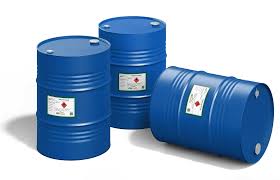
What are the common chemicals from a foam chemical supplier GCC?
Catalysts are also frequently included in foam formulations to speed up the chemical reactions between isocyanates and polyols. These can be amine-based or metal-based, depending on the type of foam being produced. Catalysts influence foam rise time, cure time, and cell structure.
Blowing agents are used to create the foam structure by producing gas bubbles within the reacting mixture. While traditional blowing agents included substances like CFCs, modern formulations now use more environmentally friendly options such as water or hydrofluoroolefins (HFOs), which are less harmful to the ozone layer.
Fortune Emirates General Trading LLC is a trusted supplier of industrial chemicals and raw materials, serving manufacturers across the Middle East and Africa since 2000. Headquartered in the UAE, we specialize in the distribution of polyurethane chemicals, resins, plasticizers, solvents, fiberglass, adhesives, and detergent raw materials. With a strong logistics network and deep market knowledge, Fortune Emirates supports a wide range of industries including foam manufacturing, coatings, construction, packaging, cleaning, and upholstery. We are known for dependable supply, competitive pricing, and technical-grade quality products sourced from globally reputed brands.
Whether you’re sourcing polyol and TDI for foam production, fiberglass resins for composites, or industrial-grade chemicals for soaps and paints, we are your reliable partner in chemical distribution across the GCC and key African markets.
In conclusion, common chemicals from a foam chemical supplier in the GCC include polyol, TDI, MDI, surfactants, catalysts, and blowing agents. These materials are foundational to foam production and are supplied in various grades to meet industry-specific requirements. Working with a reliable partner like Fortune Emirates ensures consistent access to these critical components.